

Interleukin-6 Antibody Inflammation Trial: TRANQUILITY Explained
Table of Contents
Introduction: Inflammation Moves to the Center of Cardiovascular Research
What the TRANQUILITY Trial Actually Studied
Myth 1: "A new drug that eliminates inflammation is now available."
Myth 2: "An 89% drop in CRP means an 89% drop in heart attack risk."
Myth 3: "The inflammation theory of heart disease is just speculation."
Myth 4: "If it works for kidney patients, it will work for everyone."
Myth 5: "Blocking IL-6 has no downside."
Medical Criteria: When Should You Talk to a Specialist About Inflammation?
Introduction: Inflammation Moves to the Center of Cardiovascular Research
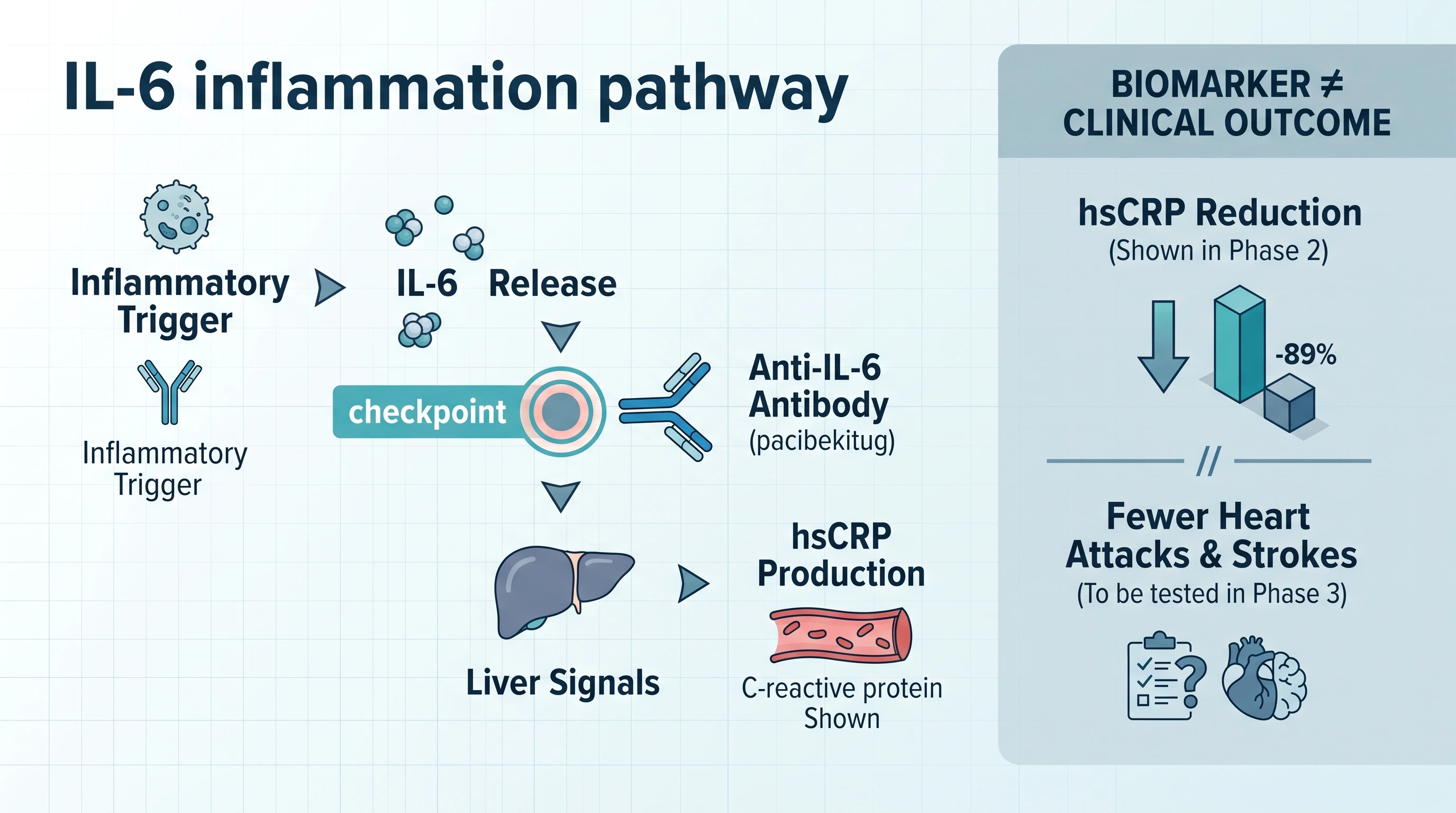
According to the European Society of Cardiology, classic risk factors such as blood pressure, LDL cholesterol, diabetes and smoking explain only about half of the global burden of cardiovascular disease. Much of the remaining risk points to chronic, low-grade inflammation, driven in large part by interleukin-6 (IL-6), the cytokine that prompts the liver to produce high-sensitivity C-reactive protein (hsCRP).
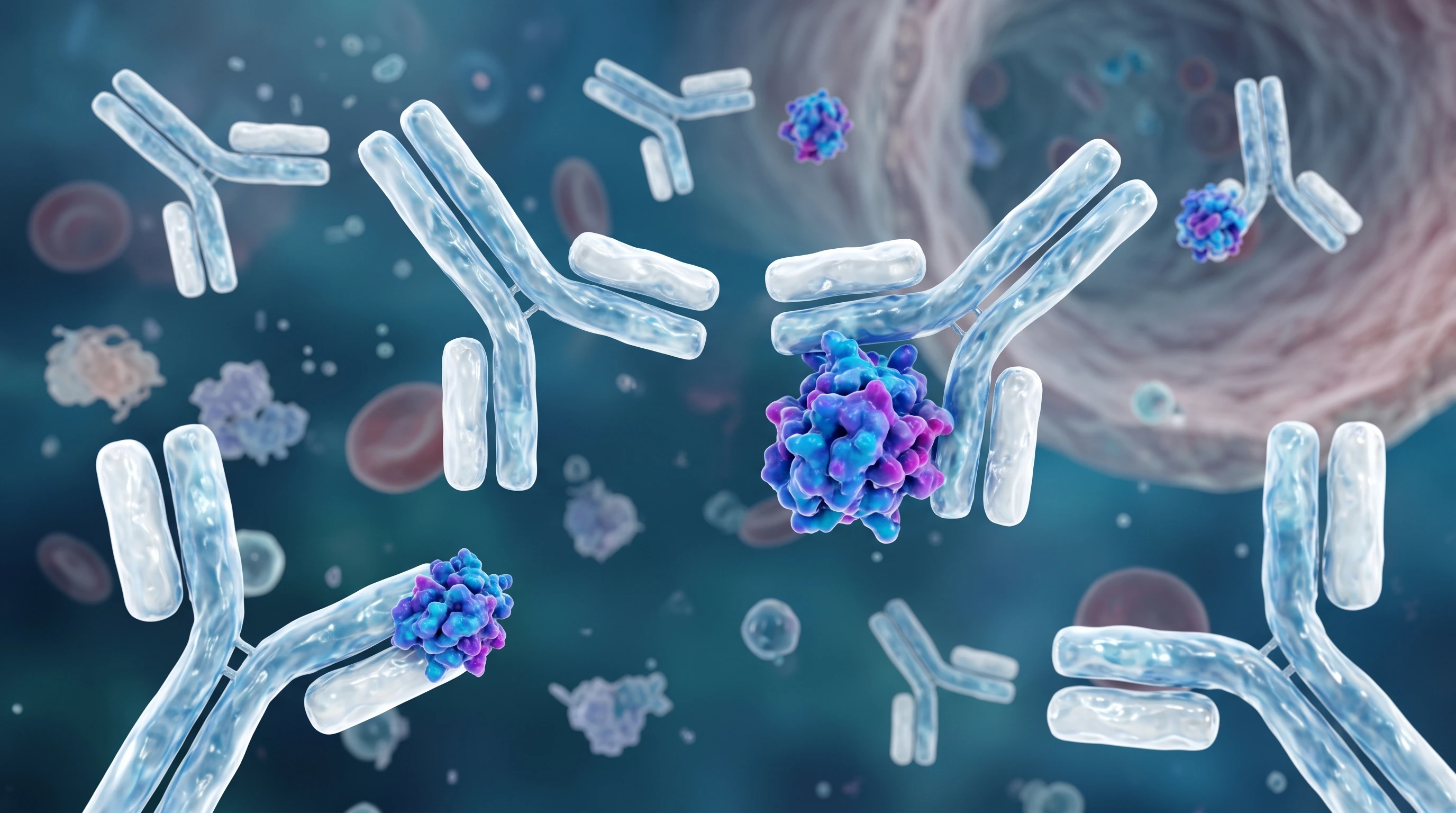
In late August 2026, Dr. Deepak L. Bhatt of Mount Sinai presented the phase 2 TRANQUILITY trial at the ESC Congress 2026 in Munich. It tested pacibekitug, an investigational long-acting anti-IL-6 monoclonal antibody, and reported sustained reductions in inflammatory biomarkers through six months. The key question: what does a lower inflammation marker actually mean for patients?
What the TRANQUILITY Trial Actually Studied
Design: Randomized, double-blind, placebo-controlled phase 2 trial.
Participants: 143 adults with chronic kidney disease (CKD) and elevated hsCRP; mean age 69, 64% women.
Intervention: Placebo or one of three pacibekitug regimens, followed through 180 days.
Key result: hsCRP reductions of 76% to 89% at day 180 versus a 7% increase with placebo.
Safety: Generally well tolerated, with no new or clearly dose-related safety signals.
Sponsorship: Tourmaline Bio, a Novartis company; the presenter disclosed ties to the sponsor.
The next step is a larger phase 3 trial testing whether these effects mean fewer heart attacks, strokes and cardiovascular deaths.
Myths vs. Clinical Reality
Myth 1: "A new drug that eliminates inflammation is now available."
Clinical Reality: Pacibekitug is not approved by the FDA, the EMA or any regulator and is available only within clinical research. As specialists in the field, we observe that many compounds with impressive biomarker profiles never become approved therapies.
Myth 2: "An 89% drop in CRP means an 89% drop in heart attack risk."
Clinical Reality: hsCRP is a surrogate marker, not an outcome, and improved lab values have sometimes failed to reduce events. With 143 participants over six months, the trial was not designed or powered to measure events. It shows that IL-6 can be durably suppressed; cardiac protection remains a hypothesis.
Myth 3: "The inflammation theory of heart disease is just speculation."
Clinical Reality: Genetic, epidemiological and clinical evidence support it. Earlier trials targeting the upstream IL-1β pathway lowered events in selected patients, but also increased serious infections. Each intervention must prove its own benefit-risk balance.
Myth 4: "If it works for kidney patients, it will work for everyone."
Clinical Reality: Older adults with CKD carry a heavy inflammatory burden that may amplify biomarker responses. The results cannot be extrapolated to healthy people or longevity seekers, and six months is too short to establish long-term safety.
Myth 5: "Blocking IL-6 has no downside."
Clinical Reality: IL-6 supports immune defense, tissue repair and metabolism. IL-6-pathway therapies in other diseases require monitoring for infections, blood counts, liver enzymes and lipids.
Medical Criteria: When Should You Talk to a Specialist About Inflammation?
Consider discussing inflammatory and cardiovascular risk with your physician if you:
Have chronic kidney disease, diabetes, or a history of heart attack, stroke or peripheral artery disease.
Have a family history of early cardiovascular disease.
Have repeatedly elevated hsCRP without an acute infection to explain it.
Live with autoimmune conditions such as rheumatoid arthritis, psoriasis or inflammatory bowel disease.
Appropriate specialists include a board-certified cardiologist, a nephrologist for CKD, a rheumatologist for autoimmune disorders, and your primary care physician. A single hsCRP value can rise temporarily after a cold or intense exercise, and blood pressure, lipid and glucose control, physical activity and not smoking remain the strongest proven tools.
Conclusion
TRANQUILITY shows that a long-acting antibody can suppress IL-6 signaling for six months without new safety concerns in a high-risk population, valuable evidence for the inflammatory hypothesis. Yet biological proof of concept is not proven clinical benefit. Whether IL-6 inhibition prevents heart attacks, strokes and deaths belongs to phase 3. Until then, pacibekitug remains a promising investigational molecule, and physician-guided prevention remains the most reliable protection.
This article reflects the professional opinion of Dr. Aleksandr Orlov of the Precision Bioclinic team, affiliated with PrecisionBio Clinic under CEO Carlos López, provided when consulted on the TRANQUILITY trial and interleukin-6 inhibition. It is for educational purposes only and does not constitute medical advice.