

Fructose and Cancer Metastasis: Myth vs. Clinical Reality Explained
Myth 2: "This discovery means a fructose-blocking cancer drug is already available."
Myth 4: "These findings apply directly to ovarian cancer patients today."
Introduction
A recent finding out of the Wistar Institute has been circulating in both scientific and mainstream media: cancer cells can use fructose to help drive metastasis. The claim comes from a study published in Nature Aging by cancer biologist Katherine Aird and her team, and it deserves a careful, evidence-based look rather than a sensational one.
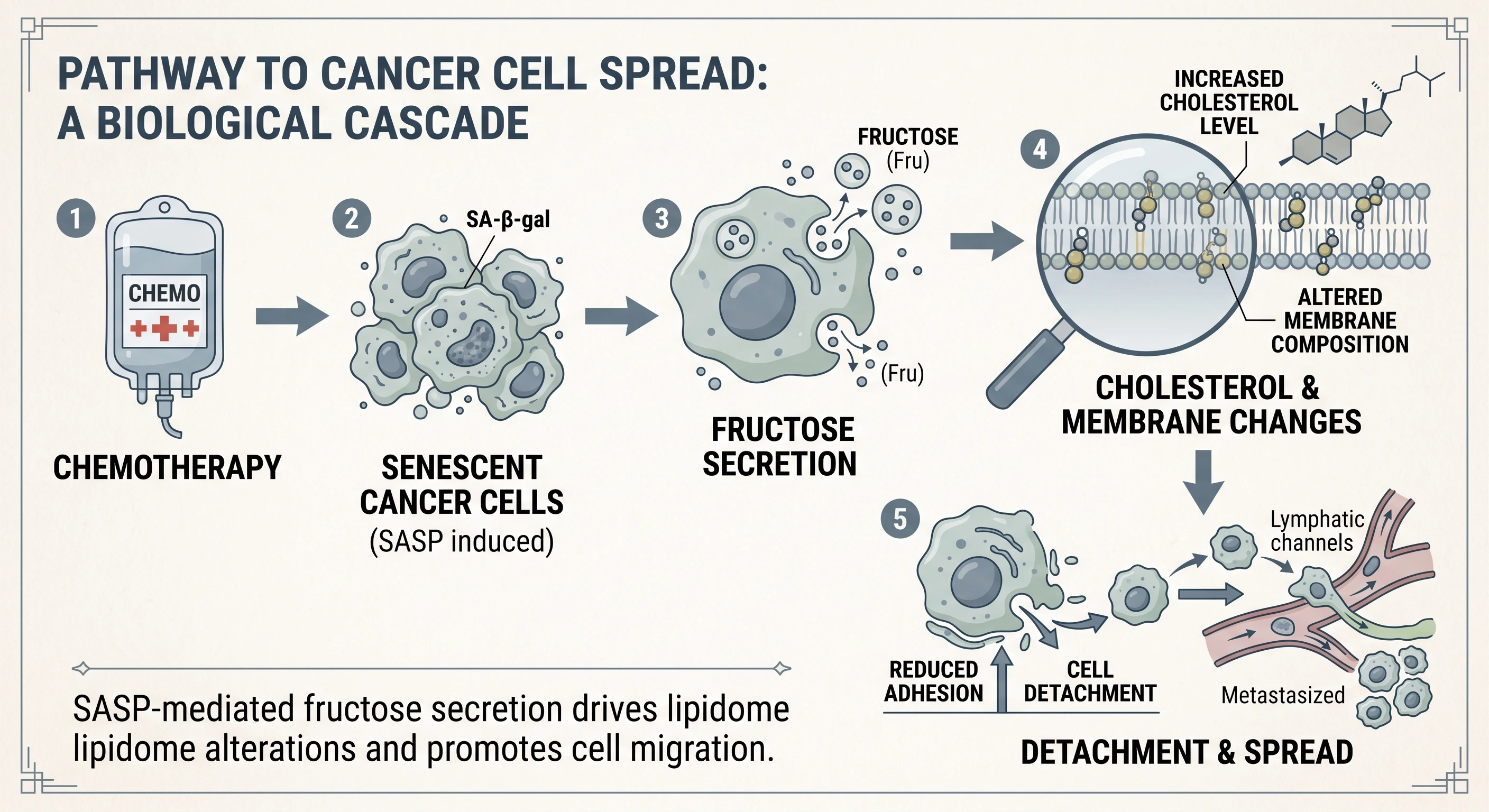
For over a decade, oncology research has treated cellular senescence, the state in which cancer cells stop dividing after treatments like chemotherapy, as a therapeutic win. Aird's team has spent years investigating a more complicated reality: senescent cells remain metabolically active and secrete a mix of molecules known as the senescence-associated secretory phenotype (SASP), which can reshape the surrounding tissue environment. Most SASP research to date has focused on inflammatory proteins, leaving other secreted molecules largely unexplored.
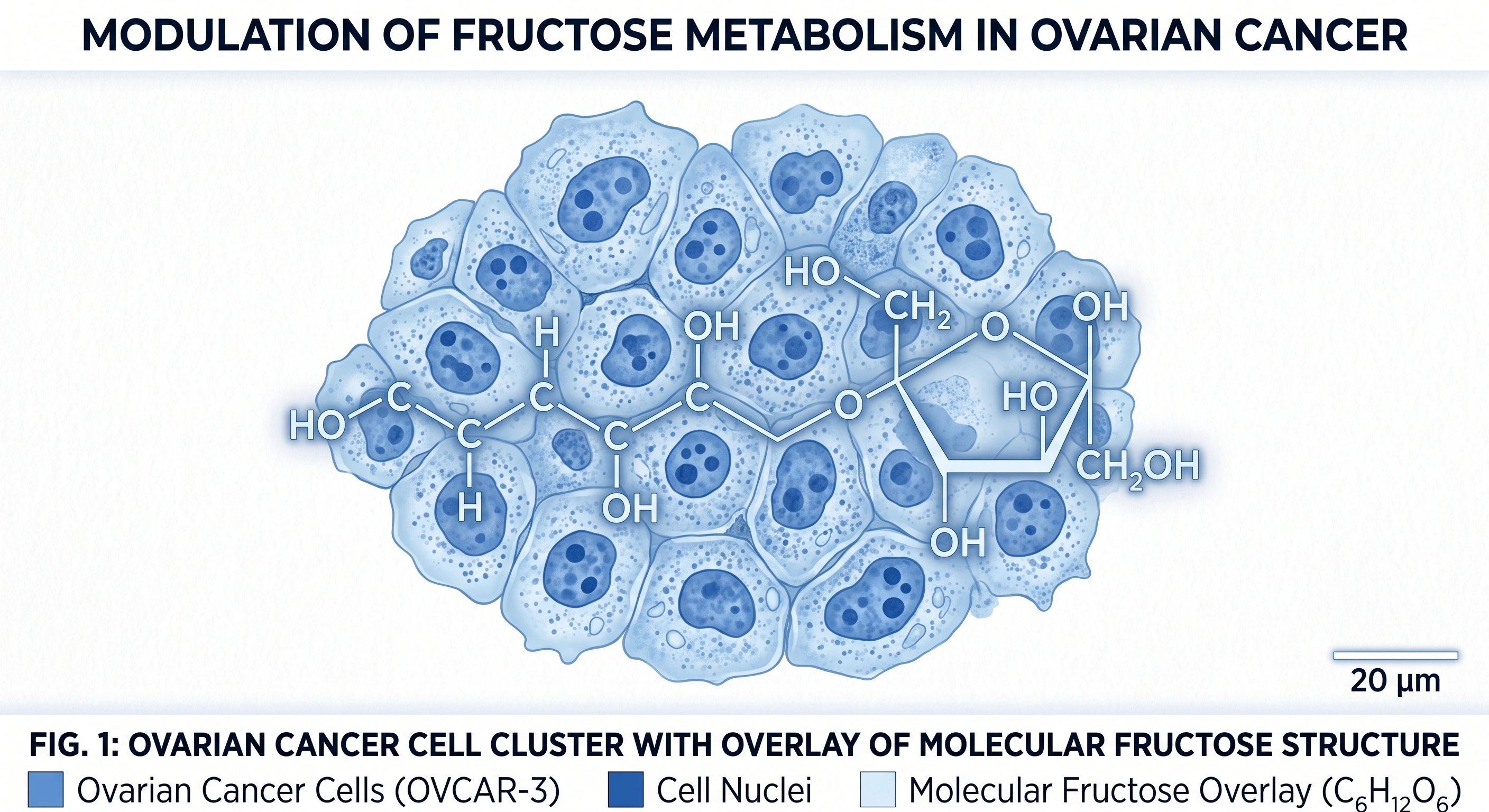
In this study, researchers exposed ovarian cancer cells to cisplatin, a standard chemotherapy drug used in aggressive ovarian cancer, and collected the fluid surrounding the surviving, senescent cells. When this fluid was introduced into mice with implanted tumors, cancer cells spread significantly more than when exposed to fluid from non-senescent cells. Using a CRISPR screen and mass spectrometry, the team traced this effect to elevated fructose secreted by the chemo-resistant cells, which altered cholesterol-related genes and weakened the adhesion that normally keeps cancer cells anchored together.
Myths vs. Clinical Reality
Media coverage of metabolism-and-cancer research tends to compress nuanced laboratory findings into simple, actionable-sounding claims. Below, we separate what circulated in public discussion from what the study actually demonstrated.
Myth 1: "Sugar directly feeds tumors, so cutting fructose from your diet can stop cancer from spreading."
Clinical Reality: The study did not test dietary fructose intake in humans or evaluate whether reducing sugar consumption changes cancer outcomes. It examined a specific molecular signaling pathway in which chemotherapy-surviving, senescent ovarian cancer cells secrete fructose locally to reprogram neighboring cells in a mouse model. As specialists in the field, we observe that conflating a local, cell-secreted signaling molecule with dietary sugar intake is a common but scientifically unsupported leap.
Myth 2: "This discovery means a fructose-blocking cancer drug is already available."
Clinical Reality: This is a preclinical mechanistic finding. The researchers identified that blocking enzymes involved in fructose metabolism prevented tumor spread in mice, which is a promising signal for future drug development — not a validated treatment. The study's own authors describe testing fructose-production inhibitors as a next step, not a completed therapeutic pathway.
Myth 3: "If chemotherapy makes cancer cells senescent instead of killing them, the treatment has failed."
Clinical Reality: Senescence is a more complex biological outcome than simple success or failure. Cells that survive chemotherapy in a senescent state stop dividing, which has historically been viewed as favorable, but this research adds to a growing body of evidence that these surviving cells can still influence the tumor environment through secreted factors. As specialists in the field, we note that this reflects an evolving, nuanced understanding of chemotherapy response — not a treatment failure.
Myth 4: "These findings apply directly to ovarian cancer patients today."
Clinical Reality: Both the study's lead author and outside experts who reviewed the work were explicit that it remains unclear whether fructose has the same effect in human patients as it did in the mouse models used. This distinction between preclinical and clinical evidence is central to interpreting the study responsibly.
When Should You Consult a Specialist?
Findings like this one underscore why ongoing, specialized monitoring matters for anyone navigating a cancer diagnosis or its aftermath — not because of this specific study, but as general good practice in oncology care.
If you or a family member has been diagnosed with ovarian cancer, especially one classified as chemotherapy-resistant, regular follow-up with a certified gynecologic oncologist is the appropriate path for evaluating treatment response and monitoring for recurrence or spread.
Persistent abdominal bloating, pelvic pain, changes in bowel habits, or unexplained weight loss following cancer treatment warrant a prompt evaluation by an oncologist rather than self-interpretation of emerging research headlines.
Questions about metabolism, diet, and cancer risk are best directed to a board-certified oncologist or clinical nutritionist specialized in oncology, who can weigh individual health history against the current, still-evolving evidence base.
Emerging laboratory research — including studies like this one — should inform scientific curiosity, not personal treatment decisions, which should always be made in consultation with a certified specialist familiar with your case.
Conclusion
This study represents a genuinely novel contribution to cancer biology: it is among the first to show that a metabolite, rather than a protein, can drive part of the SASP's tumor-promoting activity. That shift in perspective, from proteins alone to metabolic signaling, may open new lines of investigation into how chemotherapy-resistant cells influence their surroundings. At the same time, scientific rigor requires acknowledging the limits of what has been shown. This is preclinical, mouse-model research, and both the study's authors and independent reviewers have been clear that translation to human patients is not yet established. The value of this work lies in the questions it opens for future research, not in any immediate change to clinical practice or personal health decisions.
This article reflects the professional opinion of Dr. Aleksandr Orlov of the Precision Bioclinic team, provided upon request for commentary on this recently published research. Dr. Orlov and Carlos López (CEO) are affiliated with Precision Bioclinic. This content is intended for general educational and informational purposes only and does not constitute medical advice, diagnosis, or a treatment recommendation.